
Have you ever wondered how long dinosaurs lived? This is a fascinating question that piques the curiosity of children and adults alike. In this post, we’ll explore the age of dinosaurs, breaking down the longevity of different species and how scientists have come to these conclusions. Read on to discover more about the lives of these amazing prehistoric creatures!
Índice
ToggleMethods to Determine the Age of Dinosaurs
Before delving into how long dinosaurs lived, it is important to understand how paleontologists calculate the age of these extinct animals. Scientists use several methods, including studying growth rings on fossil bones, similar to tree rings, and comparing them to present-day animals.
Bone Analysis
Dinosaur bones, like trees, have growth lines that can be counted to estimate their age. This method has allowed paleontologists to determine the longevity of several species.
Comparison with Modern Animals
Scientists also compare dinosaurs with their closest living relatives, such as crocodiles and birds, to make estimates about their life cycle and longevity.
How Long Did Dinosaurs Live?
Small Dinosaurs
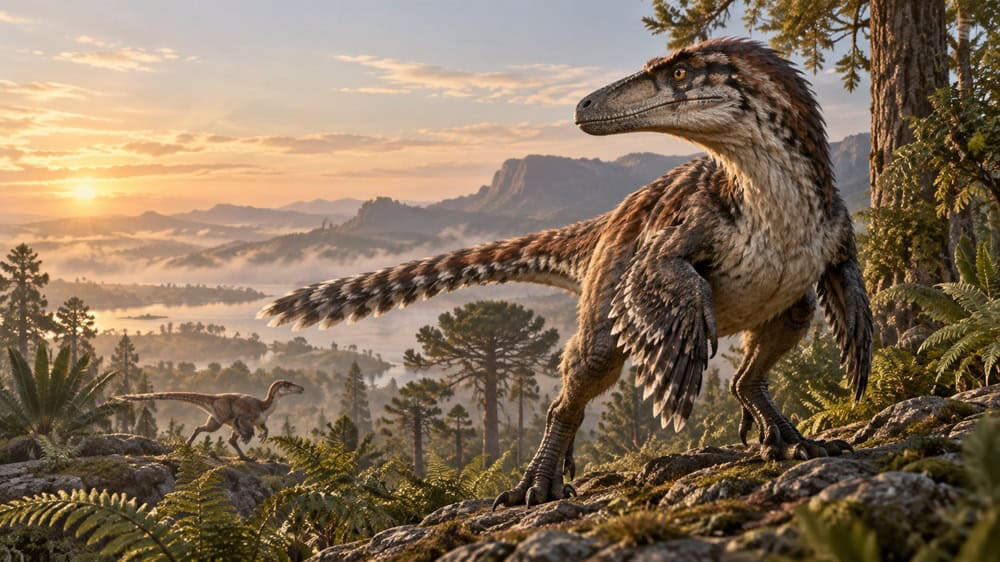
Smaller dinosaurs, such as Compsognathus and Velociraptor, probably had shorter life spans. Studies suggest that these dinosaurs lived between 10 and 20 years. Like many small animals today, they were fast-growing and relatively short-lived.
Medium Dinosaurs
Medium-sized dinosaurs, such as the famous Tyrannosaurus Rex, had a longer life span. It is estimated that the T. Rex lived about 30 years. These dinosaurs grew rapidly during their early years, reaching adult size in about 20 years and then lived an additional decade.
Giant Dinosaurs
Large sauropods, such as Apatosaurus and Diplodocus, could live much longer. Some studies suggest that these giants could live between 70 and 100 years. Their large size and slower metabolism allowed them to live significantly longer than smaller and medium-sized dinosaurs.
Factors Influencing Longevity
Several factors influenced the age of dinosaurs:
- Body Size: In general, larger dinosaurs tended to live longer than smaller dinosaurs.
- Environment and Food: Habitat and diet also played a crucial role. Dinosaurs in resource-rich environments with fewer predators probably lived longer.
- Metabolism: A slower metabolism, like that of sauropods, could contribute to greater longevity.
Examples of Species and their Longevity

Tyrannosaurus Rex
Estimated age: 30 years
Tyrannosaurus rex is one of the most studied dinosaurs. Its bones show rapid growth in its early years, reaching adult size at around 20 years of age and then living about a decade longer.
Apatosaurus
Estimated age: 70-100 years
Apatosaurus and other large sauropods were remarkably long-lived. Their huge bodies and slow metabolism allowed these giants to live for many decades.

Velociraptor
Estimated age: 10-20 years
The Velociraptor, known for its speed and agility, had a relatively short lifespan. These dinosaurs reached adult size quickly and lived only a few decades.
What Do These Data Tell Us?
Knowing how long dinosaurs lived helps us to better understand their ecology and behavior. Smaller dinosaurs, with short lives, probably had fast life cycles with many young. In contrast, larger dinosaurs lived long and had fewer offspring but invested more in their care.
The age of dinosaurs varies significantly between species, with the smallest living around 10-20 years, medium-sized ones like T. rex around 30 years, and giant sauropods living up to 100 years. These data are not only fascinating, but also give us a deeper insight into how these amazing prehistoric animals lived and adapted.
We hope this article has satisfied your curiosity about how long dinosaurs lived. If you are passionate about the world of dinosaurs, don’t forget to visit our Dinosaurland theme park in Porto Cristo, Mallorca, to discover more about these fascinating creatures, We are waiting for you with many surprises and adventures!