
Dinosaur teeth have been silent witnesses to the evolutionary history and diversity of these majestic prehistoric creatures. By studying the shape, size, and arrangement of teeth, paleontologists have unraveled many mysteries about dinosaur diet and lifestyle, revealing a fascinating variety of dental adaptations.
Índice
ToggleAnatomy of Dinosaur Teeth
Dinosaurs exhibited a wide range of tooth shapes and sizes, adapted to their specific feeding habits. Dinosaur teeth can be classified into different types based on their shape and function.
Carnivorous Teeth
The teeth of carnivorous dinosaurs are testaments to their ferocity and adaptation to a predatory lifestyle. These sharp, pointed teeth were designed to tear the flesh of prey and provide carnivores with the ability to hunt and feed efficiently.
Tyrannosaurus Rex, the most iconic predator of the Cretaceous period, is known for its enormous saw teeth. Each tooth of the Tyrannosaurus Rex could measure up to 30 centimeters in length, with serrated edges that gave them exceptional cutting ability. These robust, curved teeth were perfect for tearing the flesh of its prey, allowing it to subdue large animals with relative ease.
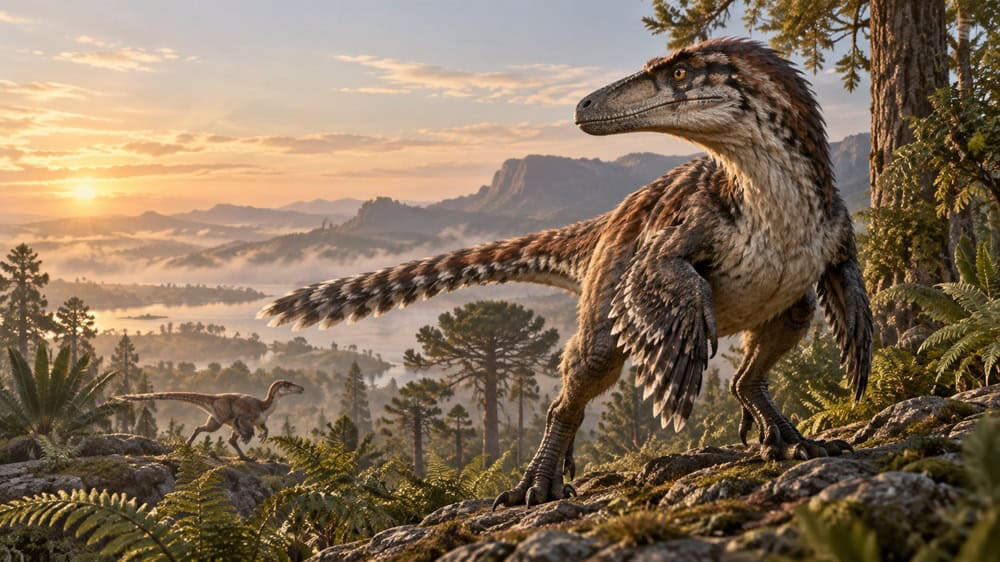
Velociraptor, another famous Cretaceous predator, had sharp, curved teeth that complemented its arsenal of hunting weapons. Although Velociraptor’s teeth were smaller compared to those of the Tyrannosaurus rex, they were equally effective at tearing the flesh of smaller, more agile prey.
Other carnivorous dinosaurs exhibited unique dental adaptations. For example, Allosaurus had serrated and curved teeth, ideal for tearing the flesh of their victims.
Herbivorous Teeth
Herbivorous dinosaurs exhibited a variety of dental adaptations designed for processing and chewing plant material. These adaptations reflect a diversity of feeding strategies that allowed them to take advantage of a wide range of plant resources available in their habitats.
Some herbivorous dinosaurs, such as the Parasaurolophus and Protoceratops, had sharp teeth designed to tear leaves and branches from plants. These pointed, conical teeth allowed these dinosaurs to select and pluck specific parts of the plants that were part of their diet.
Other herbivorous dinosaurs, such as the Triceratops and the Stegosaurus had specialized dental batteries designed to crush and grind fibrous vegetation. These dinosaurs possessed teeth with flat, serrated surfaces that allowed them to efficiently grind vegetation prior to digestion. The battery arrangement of teeth allowed them to process large amounts of plant food in a short time.
Saber-toothed Dinosaurs
In addition to carnivorous and herbivorous teeth, some dinosaurs exhibited unique and specialized dental adaptations that allowed them to survive in specific environments or hunt specific prey.
Saber-toothed dinosaurs, such as the famous Smilodon, belonged to the theropod group and developed elongated, curved canine teeth. These saber-toothed dinosaurs were lethal weapons designed to pierce and tear the flesh of their prey. Smilodon, for example, used them to prey on large herbivorous mammals, such as prehistoric mastodons and bison.
Number and Arrangement of Teeth
The number of teeth in dinosaurs varied considerably depending on the species and diet. Some dinosaurs had hundreds of teeth, while others had fewer than a dozen.
For example, Iguanodon, a herbivorous dinosaur, had leaf-shaped dental arrays that wore down and were constantly replaced throughout its life. Other dinosaurs, such as Hydrosaurs, had hundreds of teeth in their jaws, arranged in dental arrays that allowed them to process large amounts of vegetation.
In contrast, some carnivorous dinosaurs, such as Tyrannosaurus rex, had around 60 large, robust teeth, designed to tear flesh effectively. These teeth were arranged in a powerful jaw that allowed them to subdue their prey with ease.
Special Adaptations and Curiosities
Some dinosaurs, such as Spinosaurus, had cone-shaped teeth adapted for catching fish and other aquatic prey. These teeth were designed to pierce and hold their slippery prey in aquatic environments.
Interestingly, we can say that not all dinosaurs had teeth. Some species, such as Pteranodon and Quetzalcoatlus were pterosaurs that lacked teeth and fed on fish and other small animals with specialized beaks.
Dinosaur teeth are silent witnesses to the evolution and diversity of these prehistoric creatures. The shape and function of dinosaur teeth reflect their adaptations to different feeding habits and lifestyles. Studying their teeth allows us to reconstruct their ecology, understand their evolutionary relationships, and appreciate the diversity of life forms that existed on ancient Earth.