
The world of dinosaurs is fascinating and diverse, with creatures of all sizes and shapes that inhabited the Earth millions of years ago. Among the most interesting characteristics of these prehistoric animals is their diet, which varied greatly among different species. In this article, we will explore the differences between omnivorous, carnivorous and herbivorous dinosaurs, and how their feeding habits influenced their anatomy, behavior and the prehistoric ecosystem. Read on to discover more about these amazing creatures!
Carnivorous Dinosaurs: Predators of the Past
Carnivorous dinosaurs were some of the fiercest predators that ever existed. These dinosaurs fed exclusively on meat, and their anatomy was perfectly adapted to hunt, kill and consume other animals.

Anatomy and Behavior
Carnivorous dinosaurs had several physical characteristics that made them excellent hunters. Their jaws were powerful, equipped with sharp, backward-curved teeth for tearing flesh. In addition, many had large, sharp claws on their front and hind legs, which they used to capture and hold their prey.
Iconic examples of carnivorous dinosaurs:
- Tyrannosaurus rex: Perhaps the most famous dinosaur, the T. rex was a predator with an incredibly strong bite.
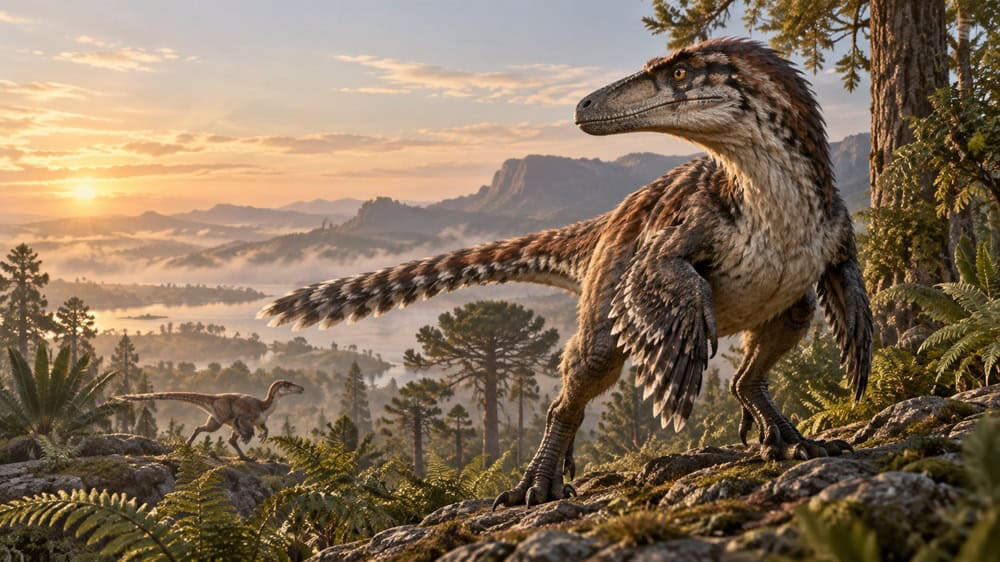
- Velociraptor: Although smaller than the T. rex, Velociraptor was an agile and cunning hunter, known for its speed and sickle-shaped claws.
- Allosaurus: A large Jurassic predator, Allosaurus hunted in groups and probably attacked large sauropods.
Ecosystem Influence
Carnivorous dinosaurs played a crucial role in the balance of prehistoric ecosystems. By hunting herbivores, they helped keep herbivore populations under control, which prevented overexploitation of plant resources.
Herbivorous Dinosaurs: Gentle Giants
Herbivorous dinosaurs were the peaceful giants of the prehistoric world. These dinosaurs fed exclusively on plants and developed various adaptations to survive in environments rich in vegetation.

Anatomy and Behavior
Herbivorous dinosaurs had jaws and teeth adapted for crushing and chewing plants. Many of them, such as sauropods, had long necks that allowed them to reach into the treetops to feed on leaves and branches. Others, such as hadrosaurs, had batteries of teeth that could be continuously replaced to handle the constant chewing of hard plant material.
Iconic examples of herbivorous dinosaurs:
- Brachiosaurus: A giant sauropod with an extremely long neck, which allowed it to feed from the treetops.
- Triceratops: With its impressive bony shield and three horns, Triceratops was a robust herbivore that could defend itself against predators.
- Stegosaurus: With its dorsal plates and tail armed with spikes for protection, Stegosaurus fed mainly on low plants.
Ecosystem Influence
Herbivores were essential for the maintenance of prehistoric ecosystems, as their feeding helped control vegetation and create open spaces for other species. In addition, their waste contributed to the recycling of nutrients in the soil.
Omnivorous Dinosaurs: The All-terrain Dietary Allies
Omnivorous dinosaurs had a varied diet that included both plants and meat. This flexibility allowed them to adapt to different environments and survive in conditions where food resources could be limited.

Anatomy and Behavior
Omnivorous dinosaurs possessed a combination of both carnivore and herbivore characteristics. Their teeth could be adapted for cutting meat as well as chewing plants. In addition, their behavior was more flexible, allowing them to forage from a variety of sources depending on availability.
Iconic examples of omnivorous dinosaurs:
- Oviraptor: Although this dinosaur was initially thought to feed on eggs (hence its name), recent evidence suggests that its diet was more diverse, including plants and small animals.
- Troodon: With its superior intelligence (as indicated by its cranial proportions), Troodon probably had a varied diet that included small mammals, reptiles and plants.
Ecosystem Influence
Omnivores played an important role in prehistoric ecosystems, acting as opportunistic predators and scavengers, in addition to consuming plants. This versatility allowed them to occupy ecological niches that other dinosaurs could not, helping to balance predator-prey dynamics.
The Importance of Diet in the Evolution of Dinosaurs
The diet of dinosaurs not only influenced their anatomy and behavior, but also had a significant impact on the structure of prehistoric ecosystems. Carnivores kept herbivore populations in check, while herbivores managed the vegetation in their habitats. Omnivores, on the other hand, acted as ecological all-terrainers, adapting to diverse conditions and opportunities.
Dive into prehistory and discover the incredible world of dinosaurs through their eating habits!