
Dinosaurs have fascinated mankind for centuries, and among them, winged dinosaurs stand out for their uniqueness and surprising adaptations. These wing structures not only allowed them to take to the skies, but also played crucial roles in their survival and evolution. Join us on this journey to discover some of the most extraordinary species and how their wings influenced their existence.
What are Winged Dinosaurs?
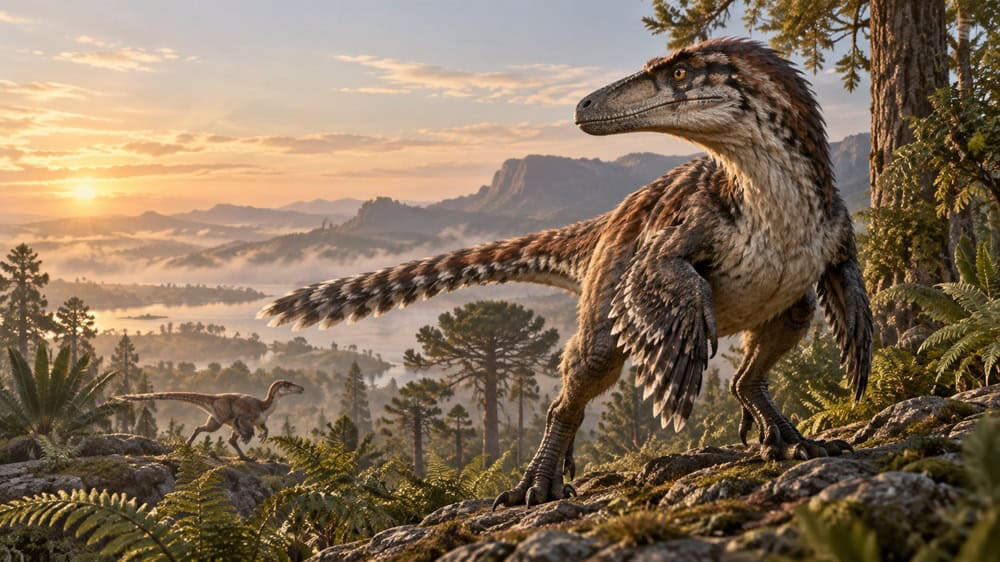
Winged dinosaurs are those that evolved modified limbs that allowed them to fly or glide. These wing adaptations varied in form and function, ranging from bat-like membranes to feathers reminiscent of modern birds. It is important to note that, although wings are commonly associated with the ability to fly, not all of these dinosaurs were active fliers; some used their wings for balance, display, or gliding.
Outstanding Winged Dinosaur Species
Archaeopteryx
Considered the link between dinosaurs and birds, Archaeopteryx lived approximately 150 million years ago. It had well-developed feathers on its forelimbs and tail, suggesting a primitive flight ability. Its wings allowed it to move between trees and escape from predators, marking a milestone in the evolution to modern birds.

Microraptor
This small, crow-sized dinosaur is notable for having four wings: one on each limb. The feathers on its hind legs formed additional aerodynamic surfaces, facilitating gliding through the trees. This adaptation gave it advantages in hunting and predator avoidance.

Yi qi
Discovered in China, Yi qi had a unique combination of feathers and bat-like membranes. Its membranous wings, supported by an elongated bone at the wrist, indicate a flight style different from that of other feathered dinosaurs, possibly adapted for gliding.

Ambopteryx longibrachium
Similar to Yi qi, Ambopteryx had membranous wings supported by a long, pointed bone at the wrist. It lived approximately 163 million years ago and represents one of nature’s earliest experimentations with membranous wing structures in dinosaurs.

Serikornis sungei
This pheasant-sized dinosaur, discovered in China, had heavily feathered upper and lower limbs. Although it could not fly, its feathered wings suggest that it used these structures for gliding or for displays during courtship.

Functions of Wings in Dinosaurs
The wings of dinosaurs were not only used for flight. Depending on the species, they had different functions:
- Gliding: Species such as Microraptor used their wings to glide through the trees in search of prey or to escape threats.
- Exhibition and courtship: Some dinosaurs used their wings to attract mates, displaying colorful plumage or performing elaborate dances.
- Thermal Regulation: Wings and feathers could help regulate body temperature, protecting from excessive cold or heat.
- Protection and Camouflage: The wings could serve as camouflage against predators or to protect the young.
Evolution and Survival
The appearance of wings in certain dinosaurs represented a significant evolutionary advantage. These adaptations allowed the exploitation of new ecological niches, such as hunting insects in the air or moving between trees. In addition, they facilitated dispersal to different habitats and evasion of terrestrial predators, increasing survival rates.
At Dinosaurland we are proud to have detailed replicas of some of these fascinating winged dinosaurs. Our visitors can learn more about these species and their evolution through interactive and educational exhibits.
Winged dinosaurs represent one of the most fascinating adaptations in evolutionary history. From membranous structures to complex feathers, these wings played crucial roles in the survival and diversification of these species. Exploring their history gives us a deeper understanding of how life on Earth has evolved and adapted over millions of years.
For more detailed information on each of these species, we invite you to visit the dinosaur factsheets on our Dinosaurland website.