
If you only have three days in Mallorca, the good news is that’s enough to see the best of the island. The capital, the Serra de Tramuntana — a UNESCO World Heritage Site — the rugged north with its cliffs and unspoiled beaches, the local gastronomy and, if you’re travelling with kids or you’re simply a paleontology fan, a stop you won’t find on any other island in the Mediterranean: Dinosaurland, Mallorca’s life-size dinosaur park.
Índice
ToggleIn this guide on what to see in Mallorca in 3 days, you’ll find the day-by-day itinerary, recommended timings, how to get around the island without a car (and with one), where to eat, and every practical tip so you don’t miss a thing. Let’s get started.
Day 1: Palma de Mallorca and the Spanish Village
The route begins in Palma de Mallorca , the capital of the Balearic Islands and one of the most beautiful urban centers in the Mediterranean. Set aside the entire morning for the old town: the Cathedral of Santa Maria (La Seu) is impressive from the outside—right next to the sea, built of golden stone—but the view from inside, with its stained-glass windows and Gaudí’s altar, is equally spectacular. Less than a five-minute walk away is the Royal Palace of La Almudaina , the summer residence of the Spanish royal family, and the La Lonja district , with its art galleries, cafes with terraces, and the famous Lonja de los Mercaderes (15th century). These are ideal spots for a leisurely breakfast before starting your tour.
In the afternoon, the Spanish Village (Poble Español) is a pleasant surprise , especially if you’re traveling with children: a complex where you’ll find replicas of Spain’s most iconic buildings—the Alhambra, the Gothic Quarter, Madrid’s Plaza Mayor—built to scale and with great attention to detail. You can have a drink in the recreation of the Plaza Mayor while the little ones explore. Approximate price: around €12 for adults / €6 for children.
To end the day, the Paseo Marítimo is the perfect spot: a mile-long stretch along the port where Palma locals stroll, jog, and watch the sunset. Have dinner at any of the restaurants in El Born or the Santa Catalina Market and try the sobrasada or pa amb oli before starting your day.
Tip: If you arrive the day before, Palma’s old town has a special magic at night. Take the opportunity to see the illuminated cathedral and have a leisurely dinner.
Day 2: Route of the villages of the Sierra de Tramontana
The most comprehensive day of the route combines mountain hiking in the morning with a unique experience in the afternoon. Start early to make the most of it.
In the morning: Serra de Tramuntana — The road from Palma to Sóller is already a spectacle: curves overlooking the Mediterranean, centuries-old olive groves, and the mountain plunging directly into the sea. The Serra de Tramuntana has been a UNESCO World Heritage Site since 2011, recognized not only for its landscape but also for the terraced farming system that the Mallorcans have been perfecting since the Moorish era.
Stop in Valldemossa : the most photographed village in the Serra de Tramuntana. The Royal Charterhouse of Valldemossa was the residence of composer Frédéric Chopin and writer George Sand during the winter of 1838-39—you can see their room and the original piano. The village itself, with its flowerpots on every corner, is picture-perfect.
Continue to Sóller , nestled between mountains and valleys of orange groves. The historic Sóller train (1912) travels to the Port of Sóller through tunnels and over viaducts: one of the most beautiful train journeys in Spain. Approximate price: €14 per adult (one way).
If you have time, Deià —9 km from Sóller—is worth a stop: cliffs, stone streets, and one of Europe’s most famous artists’ villages. Don’t try to cover Escorca, Fornalutx, and La Calobra all in the same day: choose two or three villages and enjoy them at a leisurely pace.
In the afternoon: Dinosaurland
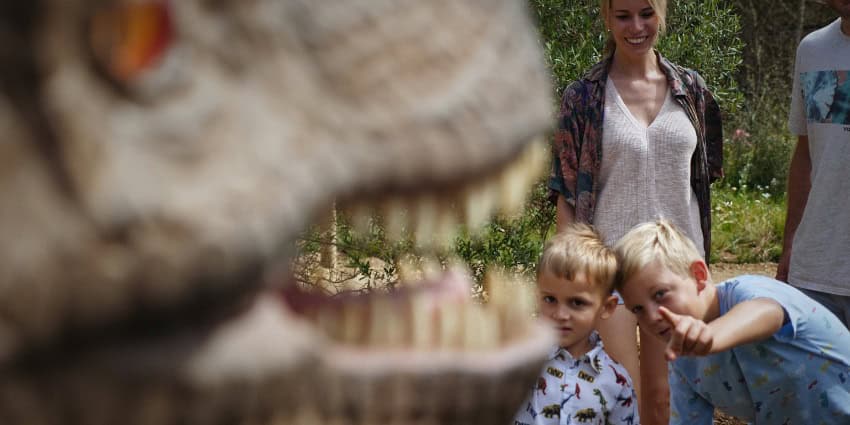
On the way back to the east of the island, make a stop that the kids will remember for years (and you probably will too): Dinosaurland, Mallorca’s dinosaur park .
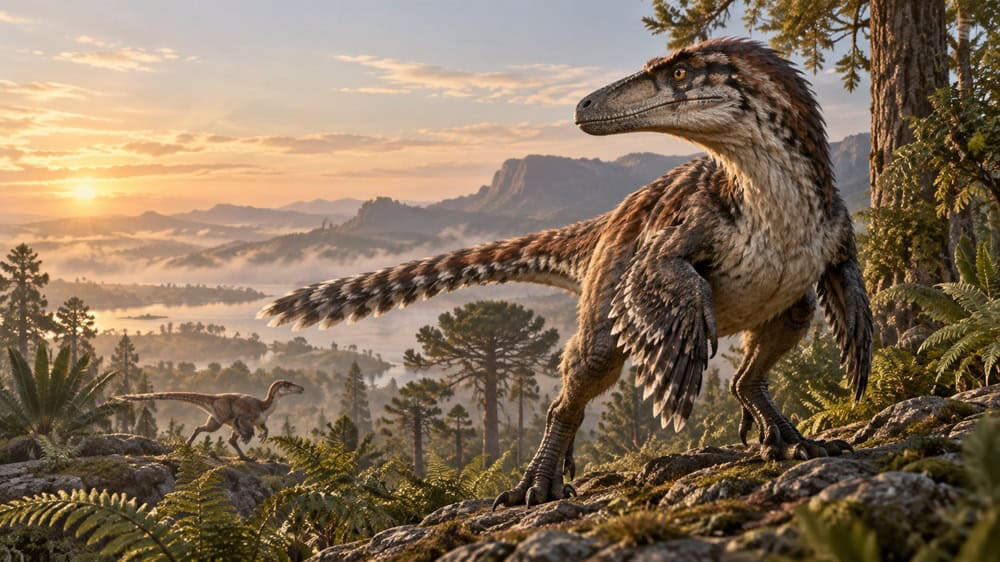
Over 30 life-size dinosaur replicas in a natural setting that you can explore at your own pace, a fossil dig area where children can become paleontologists for a day, and activities for all ages. It’s not your typical amusement park: it’s an educational and visual experience that perfectly complements the day’s exploratory spirit.
If you want to make the most of the afternoon, combine it with the Dinos&Caves experience : the package that includes Dinosaurland and the Caves of Hams in Porto Cristo in a single visit. A perfect afternoon plan for families.
Want to include Dinosaurland in your Mallorca itinerary? Check the updated opening hours , prices by age group, and book your tickets online to avoid queues at the ticket office.
Day 3: Cape Formentor and Alcudia
The third day is for the north of the island, the corner that most impresses most travelers who visit Mallorca for the first time.
Start your journey towards Cape Formentor as soon as possible : the road itself is part of the spectacle. Before reaching the lighthouse, you’ll find the Es Colomer viewpoint —one of the most photographed viewpoints in Mallorca, with cliffs plunging vertically into the sea—and the Talaia d’Albercutx viewpoint , which is about a 20-minute walk away and offers a 360-degree panorama of the Bay of Pollença and the Mediterranean. A must-see if your legs allow it.
The Formentor Lighthouse , 200 meters above sea level , marks the end of the road and is one of those places that justifies the trip on its own. There’s a small café next to the lighthouse where you can have a drink while enjoying the views. Note: in summer, access to the cape is restricted, and you’ll need to take a bus or bicycle from Pollença.
On the way back, stop at Formentor beach : fine white sand, turquoise water, and pine trees right up to the water’s edge. One of the most beautiful beaches in Mallorca, and much less crowded than you’d expect outside of August.
End your day in Alcudia , one of the best-preserved medieval towns in the Balearic Islands and recently added to the list of the most beautiful villages in Spain . Stroll through the historic center—the entire area is encircled by impressively well-preserved 14th-century walls —visit the Church of Sant Jaume , and explore the Roman amphitheater just outside the town. If you have time, the Pollentia Monographic Museum (the Roman city that preceded Alcudia) is small but very interesting.
Farewell dinner in any of the restaurants in the historic center of Alcudia or in the port: arròs brut (Mallorcan game rice) and lomo con col are two classics that do not usually appear in tourist guides but that Mallorcans eat at home.
The Best of Mallorca’s Gastronomy
Mallorca boasts one of the richest cuisines in the Mediterranean, and it’s well worth venturing beyond the tourist traps. Here are the dishes you absolutely must try—and where to find them:
- Sobrasada: the island’s most iconic sausage, made with Mallorcan black pig, sweet paprika, and pepper. The homemade version is much more intense than the commercially produced one. Try it spread on bread with honey and fresh cheese : it’s a combination that Mallorcans enjoy for breakfast and afternoon tea, and one that doesn’t appear on many tourist menus.
- Pa amb oli: literally “bread with oil.” The quintessential Mallorcan sandwich: rustic bread, extra virgin olive oil from the island (one of the best in the Mediterranean), rubbed ramallet tomato, and whatever you like on top—sobrasada, cheese, tuna, or ham. Inexpensive, filling, and available in every bar on the island.
- Arròs brut: “dirty rice” in Catalan—the name doesn’t do it justice. A soupy rice dish with game (rabbit, partridge, mushrooms) and local spices, it’s a Sunday staple for any Mallorcan family. Very difficult to find in tourist restaurants; look for it in the cellers (wine cellars/restaurants) in the island’s interior.
- Mallorcan frito: a mixture of liver, lamb, potatoes, peppers, and aromatic herbs that Mallorcans eat during Holy Week and other festivals. It has an intense and robust flavor—not for everyone, but if you enjoy offal and using up leftovers, it’s an experience worth trying.
- Ensaimada: the most famous pastry in the Balearic Islands: a spongy, spiral-shaped pastry made with lard (saïm), which gives it its unique texture. It can be plain (the best) or filled with cream, angel hair (pumpkin strands in syrup), or chocolate. The travel ensaimada—the large one that comes in a box—is the perfect gift; the one you eat at a bar with a café con leche is the one you’ll truly love.
- Tumbet: Mallorcan ratatouille. Layers of eggplant, potato, red pepper, and oven-roasted zucchini, topped with homemade tomato sauce. A summer dish, vegan and very satisfying. Eat it on its own or as a side dish with Mallorcan-style fish.
- Mallorcan paella: less well-known than Valencian paella but just as hearty: rice with seafood, rabbit, chicken, and seasonal vegetables. Order it only at restaurants that advertise it in advance—the authentic version needs to rest. Avoid “tourist menu paellas.
When is the best time to visit Mallorca?
The short answer is: any month between April and October works well, but there are important differences depending on what you’re looking for.
- Spring (April-June): the best combination of weather, scenery, and tranquility. The almond trees have already blossomed, the countryside is green, prices are 20-30% lower than in summer, and you can park in Formentor without restrictions. Dinosaurland is already operating at full capacity.
- Summer (July-August): bustling atmosphere, crowded beaches, intense heat (32-36°C), heavy traffic in the Tramuntana mountains, and access to the Formentor cape restricted to shuttle buses or bicycles. Perfect if you’re looking for parties and nightlife; a bit tiring if your plan is cultural tourism.
- Autumn (September-October): the second best time. The sea is still warm (26-28°C), there are fewer people, prices are lower, and the landscape begins to change color. Highly recommended for hiking in the Tramuntana mountains.
- Winter (November-March): Mallorca doesn’t shut down in winter. Many restaurants and hotels remain open, prices are at their lowest, and the island has a completely different, much more local pace. Dinosaurland has a reduced season—check opening times before you go.
How to get around in Mallorca
Rental car: the most convenient option for this 3-day route. You can pick it up at Son Sant Joan Airport from around €35-50/day in mid-season. Essential if you want to reach Cap de Formentor outside of summer or visit Dinosaurland with flexible scheduling.
Public transport (TIB): Mallorca has a bus network covering the main routes. Palma-Sóller has a direct connection; there are also frequent services to Alcudia and the north. The problem is the Tramuntana mountains: some towns like Deià have bus stops, but the schedules are limited. For Formentor in summer, the shuttle bus from Port de Pollença is mandatory (cars are restricted).
The Sóller train: a classic worth taking even if you have a car. It departs from Palma (Plaça d’Espanya) and arrives in Sóller in 55 minutes, crossing the mountains. Advance booking is essential during peak season. The tram connection to Port de Sóller departs from Sóller station.
For Dinosaurland: the park is well signposted from the island’s main roads. Booking tickets online in advance during peak season is recommended to guarantee entry and avoid queues at the ticket office. Opening hours vary depending on the time of year—always check the official website before visiting.