
Imagine a world with no ice at the poles, where tropical jungles covered almost the entire planet and the largest dinosaurs that ever existed walked beneath torrential rains. This was Earth during the Mesozoic Era, a period spanning over 180 million years when climate not only changed constantly but determined who survived, where dinosaurs lived, and how they evolved. Today we’re going to discover how these climate transformations shaped the habitats of these prehistoric giants in ways you might never have imagined.
A Planet in Constant Transformation
During the Triassic Period (252-201 million years ago), when dinosaurs were just beginning their reign, the climate was extremely hot and dry. All land formed a supercontinent called Pangaea, which meant that inland areas were incredibly far from the ocean. The result was predictable: vast deserts dominated the landscape, with temperatures that could be brutal during the day and freezing at night. The first dinosaurs were relatively small and had to compete with other, more established reptiles. This arid climate limited vegetation to areas near rivers and coasts, concentrating all animal life there.
But everything changed when Pangaea began to break apart. The separation of continents during the Jurassic Period (201-145 million years ago) brought something revolutionary: more coastlines meant more humidity. Rainfall became frequent, global temperatures rose even further, and sea levels increased considerably. This warm, humid climate transformed the planet into a true green paradise. Giant ferns, conifers, and cycads grew everywhere, creating dense forests that offered abundant food. It was during this time that giant sauropods like Brachiosaurus reached enormous sizes, simply because there was enough food to sustain bodies weighing dozens of tonnes.
The Cretaceous: Diversity at Its Peak
The Cretaceous Period (145-66 million years ago) was the longest and perhaps most fascinating period. Continents continued to separate, creating a geography increasingly similar to today’s. With this fragmentation came something fundamental: climate variety. While some regions maintained a tropical, humid climate, others experienced the first marked seasons. This climate diversification allowed new types of plants to appear, including the first flowering plants or angiosperms, which completely changed the rules of the game.

Habitat variety multiplied: from conifer forests in temperate zones to coastal mangroves and floodplains. Each ecosystem developed its own community of dinosaurs specifically adapted to those conditions. Hadrosaurs thrived in swampy areas where they could feed on aquatic vegetation, while ceratopsians preferred open plains with low vegetation. Theropods, always opportunistic, adapted to practically every available environment.
When Climate Determined Who Lived Where
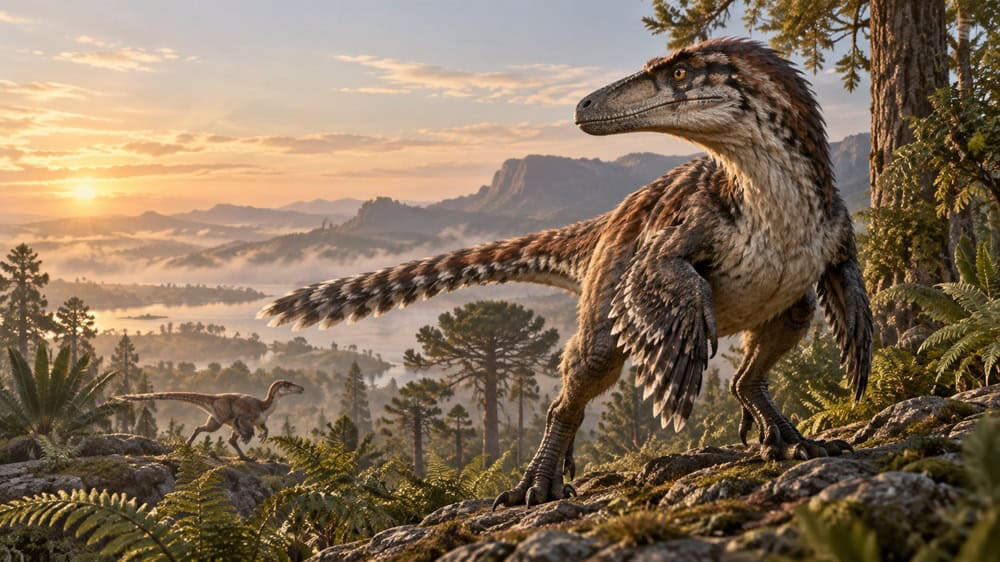
The geographical distribution of dinosaurs wasn’t random; it was directly determined by climate zones. Dinosaurs with insulating feathers, for example, had an advantage in colder regions near the poles, while giant sauropods needed warm climates where vegetation grew year-round to sustain their metabolism. During the Late Cretaceous, when global temperatures began to fluctuate more, some dinosaurs migrated seasonally, following rains and food availability, exactly as large African herbivores do today.
These migration patterns left fascinating fossil tracks that palaeontologists study today. At places like Dinosaurland in Porto Cristo, you can see representations of different dinosaur species and better understand how each was perfectly adapted to its specific environment. It’s an experience that makes you appreciate the incredible diversity that emerged thanks to these climate changes.
The Legacy of a Changing Climate
At the end of the Cretaceous, the climate became more unstable. Massive volcanic eruptions in India released gases that altered global temperatures, and ecosystems began to falter even before the famous asteroid impact. Dinosaurs that had dominated for 165 million years found themselves in a world changing too rapidly. The lesson is clear: even the most powerful giants depend on climate stability to survive.

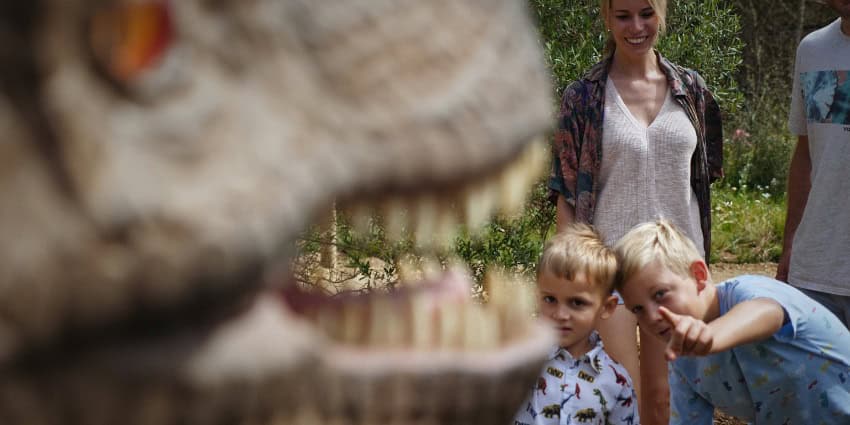
Today, when we visit parks like Dinosaurland, we’re not just seeing impressive replicas of extinct creatures. We’re contemplating the result of millions of years of climate adaptation, of geological changes that shaped life in extraordinary ways. And perhaps we’re also remembering that our planet’s climate has always been an engine of transformation, for better or worse.
Want to see up close what these incredible Mesozoic inhabitants were like?
Come discover more than 100 life-sized dinosaurs at Dinosaurland and immerse yourself in the fascinating story of the prehistoric climate that made them possible.