
Have you ever wondered what our planet was like at the time of the dinosaurs? Traveling back in time to discover the Earth during those millions of years is a fascinating adventure. In this article, we will explore the different earth movements and continent formations that occurred during the various eras when dinosaurs ruled the planet. Read on and get ready for a journey into the past!
The Earth in the Mesozoic Era
The age of the dinosaurs, known as the Mesozoic Era, spans from approximately 252 million to 66 million years ago. This era is divided into three periods: Triassic, Jurassic and Cretaceous. During this time, the Earth underwent numerous geological changes that shaped the continents and oceans as we know them today.
Triassic Period (252-201 million years ago)

Formation of Pangea
At the beginning of the Triassic period, all the continents were united in a giant supercontinent called Pangaea. This supercontinent was “C” shaped and surrounded by a vast ocean known as Panthalassa. Life on Pangaea was diverse and the first dinosaurs began to appear.
The climate of Pangea was mostly dry and arid, with large deserts in the interior of the continent. The coasts were more humid and suitable for life. The first dinosaurs were small and coexisted with other reptiles, such as synapsids and archosaurs.
Jurassic Period (201-145 million years ago)

Fragmentation of Pangea
During the Jurassic period, Pangaea began to fragment due to tectonic activity. Two smaller supercontinents formed: Laurasia in the north and Gondwana in the south. This separation created new seas and changed the global climate.
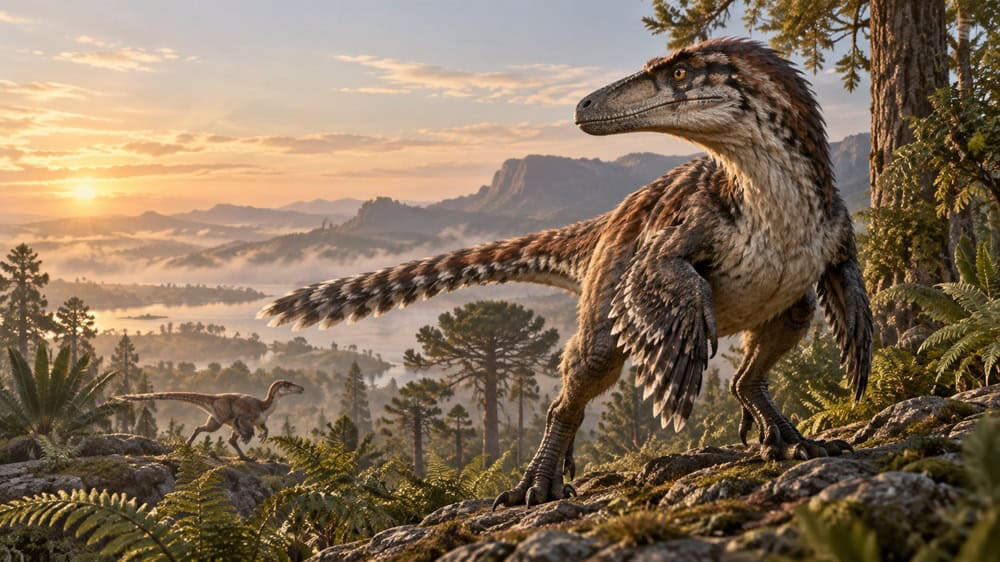
The Jurassic was characterized by a warmer and more humid climate, favoring the growth of vast forests of conifers and giant ferns. This lush vegetation provided an ideal habitat for large herbivorous dinosaurs such as Brachiosaurus and Diplodocus, as well as fearsome predators such as Allosaurus.
Cretaceous Period (145-66 million years ago)

Continents in Motion
In the Cretaceous, Laurasia and Gondwana continued to fragment into the continents we recognize today. Africa, South America, India, Australia and Antarctica separated from Gondwana, while North America, Europe and Asia formed from Laurasia. The North Atlantic began to open up, further separating the continents.
The Cretaceous climate was varied, with warm, humid regions and drier ones. Sea levels were higher, creating inland seas and a greater diversity of ecosystems. Dinosaurs reached their maximum diversity during this period, with iconic species such as Tyrannosaurus rex, Triceratops and Velociraptor.
Tectonic Movements and Continent Formation
Plate tectonics is the process responsible for the fragmentation of Pangaea and the formation of the modern continents. Plate tectonics are huge blocks of the Earth’s lithosphere that move over the Earth’s fluid mantle. These movements have caused continental drift, the formation of mountains and the opening of oceans over millions of years.
As Pangaea fragmented, new oceans and seas formed. The Atlantic Ocean began to open during the Jurassic, separating North America from Africa and Europe. The Indian Ocean formed when India broke away from Gondwana and moved northward, eventually colliding with Asia and forming the Himalayan mountain range.
Impact on the Life of Dinosaurs
Tectonic movements and the fragmentation of continents had a profound impact on dinosaur life. These geographic changes created new habitats and natural barriers, leading to the diversification and evolution of new species. Dinosaurs adapted to a wide variety of environments, from the dry deserts of Pangaea to the lush forests of the Cretaceous.
Conclusion
The Earth during the time of the dinosaurs was a constantly changing world. From the formation of the supercontinent Pangaea to its fragmentation into today’s continents, tectonic movements and the formation of new oceans shaped the planet and the life on it. These changes not only created the landscapes we know today, but also played a crucial role in the evolution and diversity of dinosaurs.
We hope this article has transported you back to the time of the dinosaurs and helped you understand what our planet was like back then. If you are passionate about learning about the history of the Earth and its incredible prehistoric inhabitants, don’t forget to visit Dinosaurland We are waiting for you with open arms for a fun and educational experience!