Omnivorous, Carnivorous and Herbivorous Dinosaurs of the Prehistoric World
Dinosaurs dominated the Earth for more than 160 million years, and their great diversity included different types of food, which allowed them to occupy different ecological niches in prehistoric ecosystems. From herbivorous giants that fed on plants to fierce predators and more versatile species that combined both diets, the classification of dinosaurs according to their diet helps us to better understand their anatomy, behavior and evolution.
In this article we will explore the differences between carnivorous, herbivorous and omnivorous dinosaurs, analyzing emblematic examples and how their diet influenced their development.
Herbivorous Dinosaurs: The Giants of Prehistory
Herbivorous dinosaurs were those that based their diet exclusively on plants, leaves, ferns and prehistoric trees. In order to process this type of food, they developed very specific anatomical adaptations, such as flat teeth for chewing, long necks to reach the treetops and huge digestive systems capable of breaking down plant cellulose.
Examples of Herbivorous Dinosaurs
🦕 Brachiosaurus – One of the best known sauropods, its long neck allowed it to reach higher vegetation, avoiding competition with other herbivores.
🦕 Triceratops – This iconic dinosaur with three horns and a large bony shield fed on low plants and could defend itself against predators such as Tyrannosaurus rex.
🦕 Ankylosaurus – A herbivore with bony armor and a mace-like tail that it used to defend itself against carnivores.
Herbivorous dinosaurs had a crucial role in the ecosystem, as they were the base of the food chain and helped maintain the balance between vegetation and predators.
Carnivorous Dinosaurs: Superpredators of the Past
Carnivorous dinosaurs fed on other animals, which made them efficient predators. Their anatomy was perfectly adapted for hunting, with powerful jaws, sharp teeth, curved claws and agile limbs that allowed them to catch and tear their prey with ease.
Examples of Carnivorous Dinosaurs
🦖 Tyrannosaurus rex – The most famous predator of all time. With an extremely powerful bite, this carnivore was capable of crushing bones with its teeth of up to 30 cm.
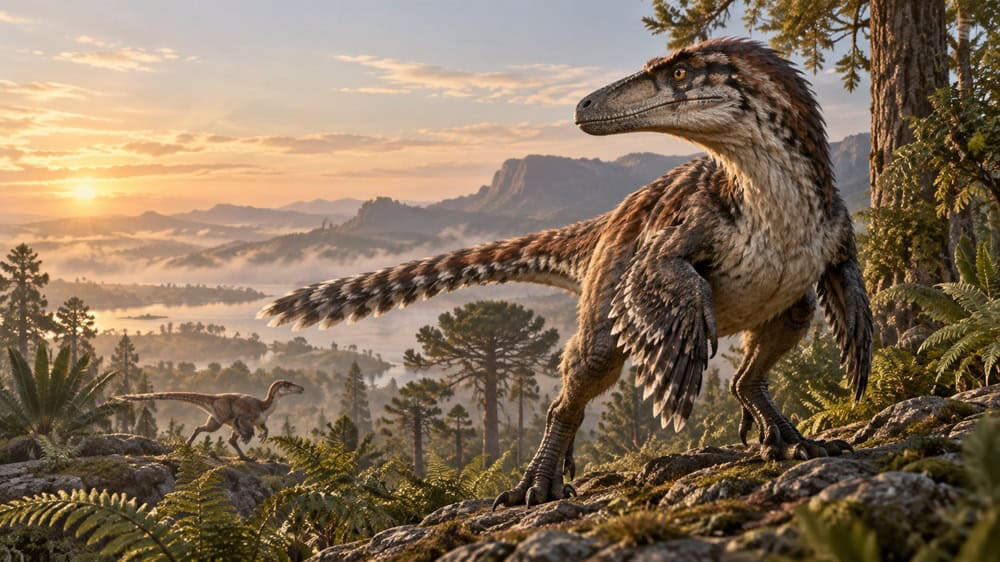
🦖 Velociraptor – Small but lethal, this dinosaur was an agile and swift hunter, with sickle-shaped claws that it used to take down its prey.
🦖 Spinosaurus – One of the largest carnivores that ever lived. Its structure suggests it was a semi-aquatic predator, hunting fish and other prey in rivers and lakes.
Carnivores played a key role in regulating the populations of other dinosaurs, helping to maintain balance in Mesozoic ecosystems.
Omnivorous Dinosaurs: The Most Versatile
Omnivorous dinosaurs had a mixed diet, consuming both plants and small animals, eggs, insects and carrion. This ability to feed on different food sources allowed them to better adapt to different environments and survive in periods of scarcity.
Examples of Omnivorous Dinosaurs
🦖 Ornithomimus – Similar to an ostrich, it could run quickly to catch small animals or feed on fruits and vegetation.
🦖 Oviraptor – Its name means “egg thief,” although it is actually believed that its diet was varied, including shellfish, seeds and small vertebrates.
🦖 Gallimimus – Lightweight and with a toothless beak, it is believed that it could feed on insects, fruits and small reptiles.
Omnivorous dinosaurs were opportunistic, which gave them an evolutionary advantage by not relying exclusively on one type of food.
How Food Influenced their Anatomy and Behavior
The dinosaurs’ diet shaped their body structure and behavior:
✅ Herbivores – Developed flat teeth, long necks and massive bodies to reach and process large amounts of vegetation.
✅ Carnivores – They possessed sharp teeth, powerful claws and swift limbs, enabling them to successfully hunt their prey.
✅ Omnivores – They had beaks adapted for a varied diet and light bodies to move nimbly in search of food.
Dinosaurs were one of the most diverse groups of animals that have ever existed on Earth, and their diet played a key role in their evolution and success during the Mesozoic.
Herbivores dominated ecosystems with their size and endurance, carnivores were relentless predators and omnivores adapted with their versatility.
Thanks to these studies, today we can better understand the incredible biodiversity of dinosaurs and their impact on prehistoric ecosystems. The world of dinosaurs continues to fascinate us and there is still much to discover!
The smartest dinosaurs: which had the most developed brain?
One question comes up on almost every guided visit, usually from a seven-year-old: which dinosaur was the smartest? The short answer is probably Troodon, a
Dinosaurland Tickets: Prices, Discounts and How to Book Your Visit
The question we get most often by email isn’t about the T-Rex or the twenty-metre Titanosaurus that presides over the trail. It’s far more down-to-earth: