
Has your little one ever wondered if a T. rex ate meat like a lion or if a Diplodocus was like a prehistoric cow? A dinosaur’s diet tells us more than what it ate—it reveals how it lived, hunted, or protected itself. In this post, we’ll explore everything you need to know about dinosaur diets: carnivores, herbivores, and omnivores. And yes, with real examples you can see up close at Dinosaurland.
Types of Dinosaurs by Diet
Understanding what dinosaurs ate is key to learning how they survived in their environment. From fierce predators to peaceful giants, each had a unique role in the prehistoric ecosystem.
Carnivorous Dinosaurs
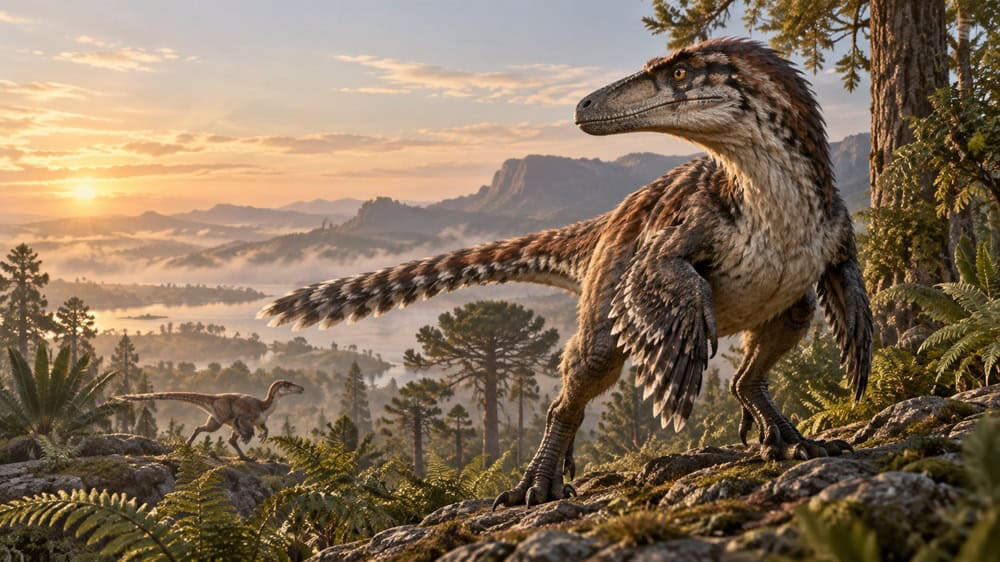
Carnivorous dinosaurs were predators or scavengers that fed on other animals. Their anatomy was designed for hunting: sharp teeth, curved claws, binocular vision and agile movements.
One of the most famous carnivores is the Tyrannosaurus rex with its powerful jaws and 30 cm knife-like teeth. Also noteworthy are the Velociraptor which hunted in groups, and the Carnotaurus agile and fast.
Their meat-based diet shaped their behavior—they stalked, ambushed, or chased their prey. Their keen sense of smell and sight made them fearsome hunters.
Herbivorous Dinosaurs
Herbivores were dinosaurs that fed exclusively on plants: ferns, conifers, cycads… Some ate leaves high up in the trees, and others grazed close to the ground.
Famous examples include Diplodocus, with its elongated neck for reaching high branches, and Triceratops, which used its large beak to cut tough plants. Others, like Stegosaurus, had small teeth and swallowed stones (gastroliths) to help digest food.
Herbivores used to live in herds and had natural defenses to protect themselves: horns, spikes, mace tails… They lived on constant alert for carnivores.
Omnivorous Dinosaurs
Less known, but just as fascinating, omnivorous dinosaurs could feed on plants as well as small animals or insects. This varied diet allowed them to better adapt to different habitats and conditions.
One example is the Oviraptor, once thought to steal eggs, but now believed to have had a mixed diet. Another is the Troodon, with its serrated teeth and grasping hands—likely feeding on insects, eggs, plants, or carrion.
Their versatility helped them survive during times of environmental change or food shortages.
| Type | Diet | Examples | Key Traits |
|---|---|---|---|
| Carnivores | Meat | Example | Sharp teeth, claws, predator vision |
| Herbivores | Plants | Triceratops, Diplodocus | Long necks, beat, gastroliths |
| Omnivores | Plants and meat | Oviraptor, Troodon | Mixed teeth, flexible diet |

What Does This Have to Do with Dinosaurland?
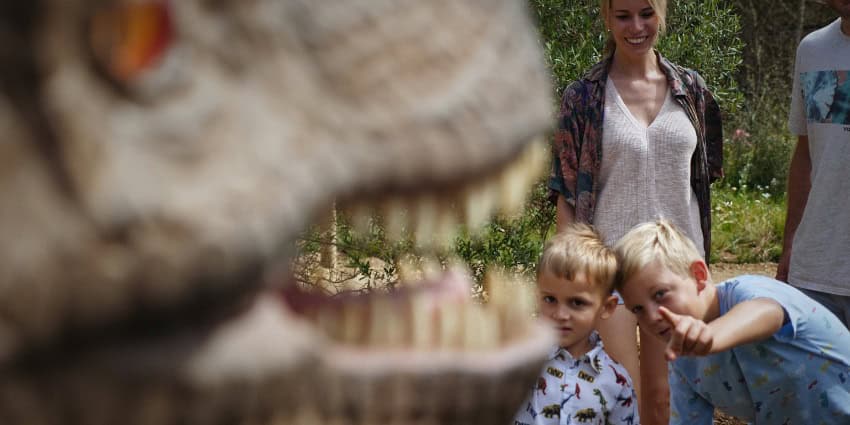
If your curiosity has piqued and you want to see some of these dinosaurs live, you’re in luck. At Dinosaurland you can discover hyper-realistic replicas of carnivorous, herbivorous and omnivorous species, learn how they fed and observe up close the teeth, claws and physical adaptations they used to survive.
Don’t miss our related post:
Exploring Omnivorous, Carnivorous, and Herbivorous Dinosaurs of the Prehistoric World
How Do We Know What They Ate?
Paleontology has advanced greatly thanks to studies of fossils, coprolites (fossilized excrement), teeth, claws and even analysis of stomach contents preserved in some fossils. This has made it possible to create a fairly accurate picture of the feeding habits of each species.
If you want to dive deeper into the science, check out this educational guide from the Spanish National Museum of Natural Sciences (CSIC), which explains how fossils are analyzed to understand what dinosaurs ate.
Come Discover It Yourself!
Now that you know what was on a dinosaur’s plate—ready to explore it up close?

At Dinosaurland in Porto Cristo, a prehistoric journey awaits you: life-size dinosaurs, interactive exhibits, and fun for the whole family.
Because to understand how they lived, you first need to know… what they had for dinner.